
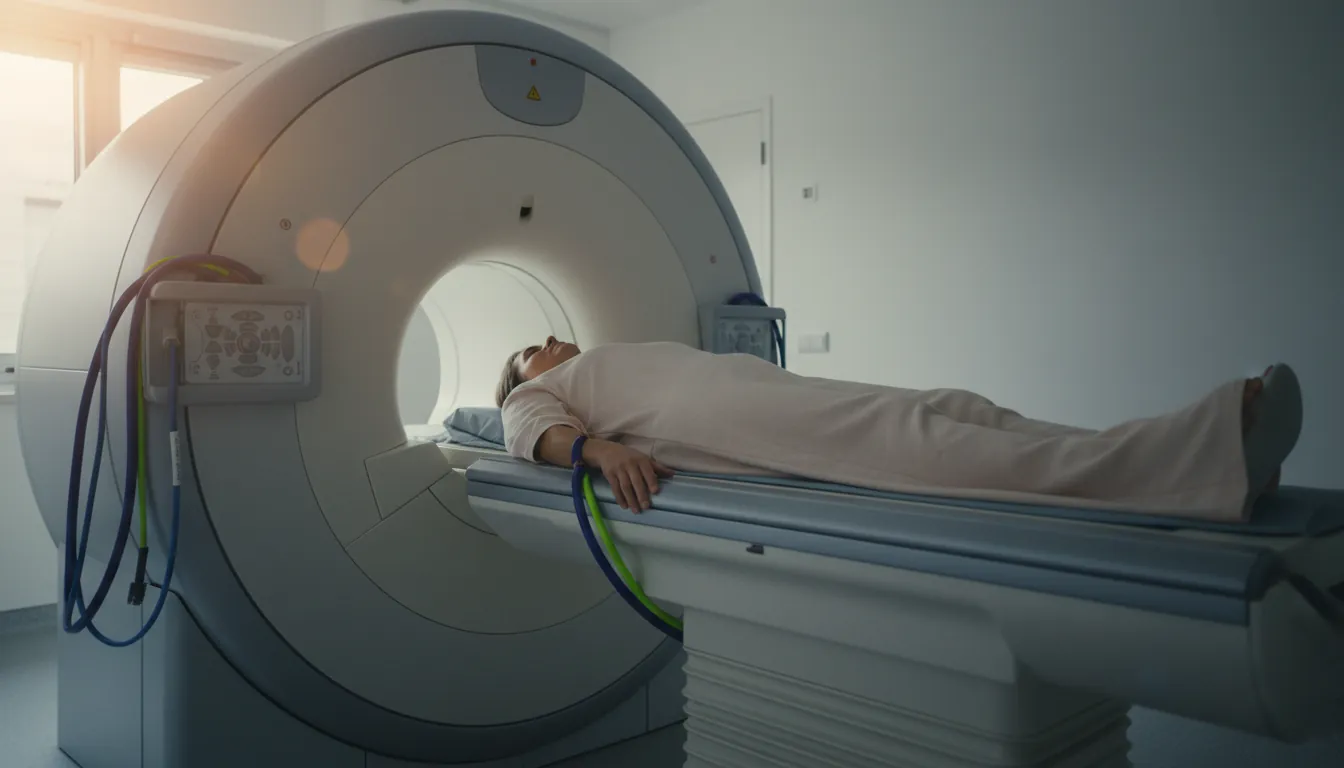
 AI-generated from publicly available materials.
The U.S. medical imaging market is witnessing significant growth, largely driven by advancements in technology and the increasing prevalence of chronic diseases.
The market, valued at $10.7 billion in 2025, is projected to reach $13.8 billion by 2034, reflecting a compound annual growth rate (CAGR) of 2.78%. This growth is largely attributed to the rising incidence of chronic conditions such as cardiovascular diseases and cancer, which necessitate ongoing monitoring and precise diagnostics. Medical imaging technologies like MRI, CT scans, and ultrasounds are essential for early disease detection, ultimately improving treatment outcomes and reducing long-term healthcare costs.
Technological innovation plays a crucial role in this expansion. The emergence of AI and machine learning is enhancing diagnostic accuracy by aiding radiologists in identifying abnormalities in medical images and optimizing workflows. Furthermore, government initiatives and favorable healthcare policies are encouraging investments in advanced imaging technologies, thereby increasing the availability of diagnostic services across the country.
Another notable trend is the growing demand for AI-powered imaging solutions, which automate image analysis and reduce human error, particularly in radiology. Additionally, mobile and tele-imaging services are expanding access to diagnostic care in rural and underserved areas, addressing healthcare disparities. While the market faces challenges such as high equipment costs, ongoing innovations are expected to enhance affordability and accessibility. As the industry continues to evolve, the integration of advanced imaging technologies will remain pivotal in shaping patient-centered healthcare delivery in the U.S.