
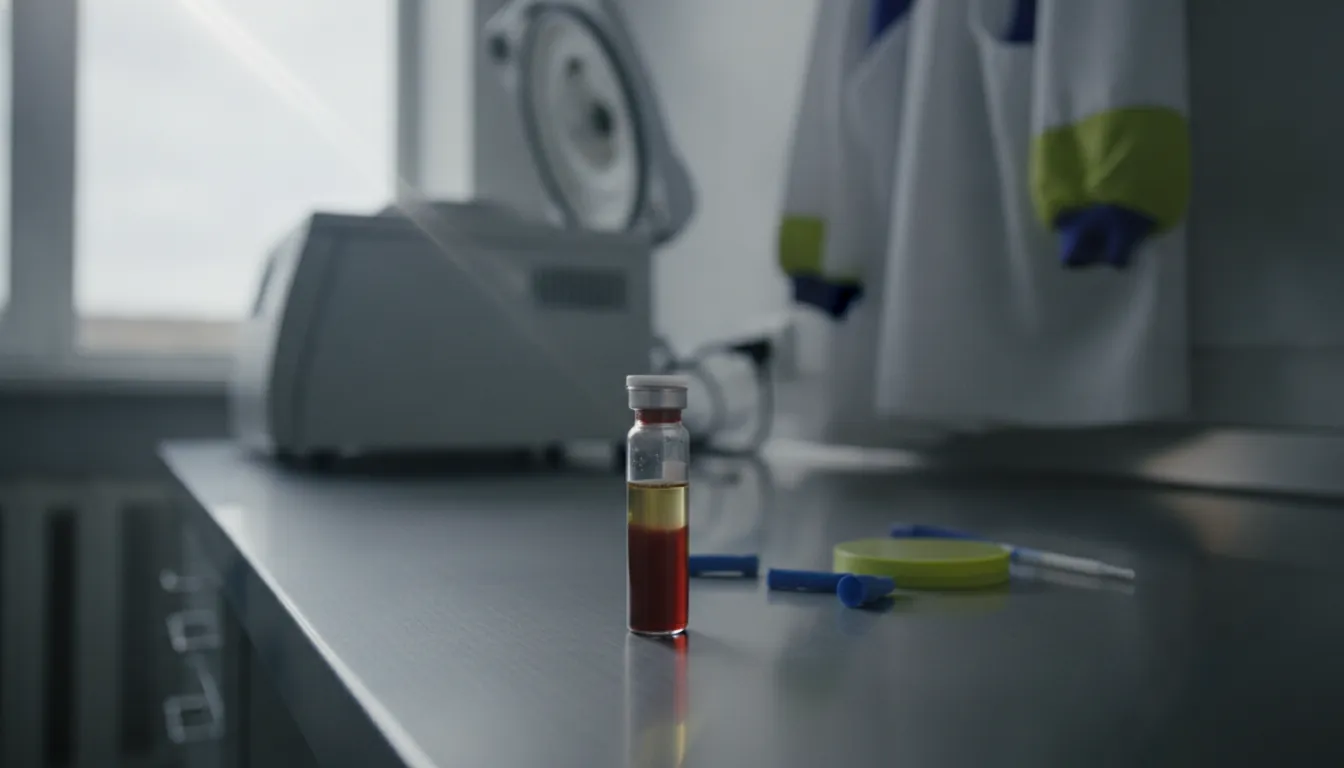
 AI-generated from publicly available materials.
The veterinary lab automation market is on an upward trajectory, projected to grow from $1.26 billion in 2025 to $1.36 billion in 2026, reflecting a compound annual growth rate (CAGR) of 8.4%. This growth is largely driven by the increasing need for swift diagnostic results, the rise in animal disease prevalence, and advancements in veterinary healthcare infrastructure.
The market is expected to reach $1.9 billion by 2030, with a CAGR of 8.7%. Key growth drivers include the demand for high-throughput automation systems, the integration of artificial intelligence and data analytics, and a focus on precision veterinary medicine. Innovations such as robotic sample processing and automated workflows are becoming more common, enhancing diagnostic efficiency.
As pet ownership rises, the emphasis on companion animal health is intensifying, further fueling the demand for rapid and accurate diagnostic testing. Major players in the industry, like IDEXX Laboratories and Mars Incorporated, are making strategic moves to enhance their diagnostic capabilities, indicating a robust competitive landscape.
This market's growth reflects broader trends in healthcare automation and the increasing importance of technology in veterinary practices. As the sector evolves, investments in smart laboratory infrastructure and robotics are likely to shape future developments, ensuring improved health outcomes for pets and enhancing overall veterinary services.