
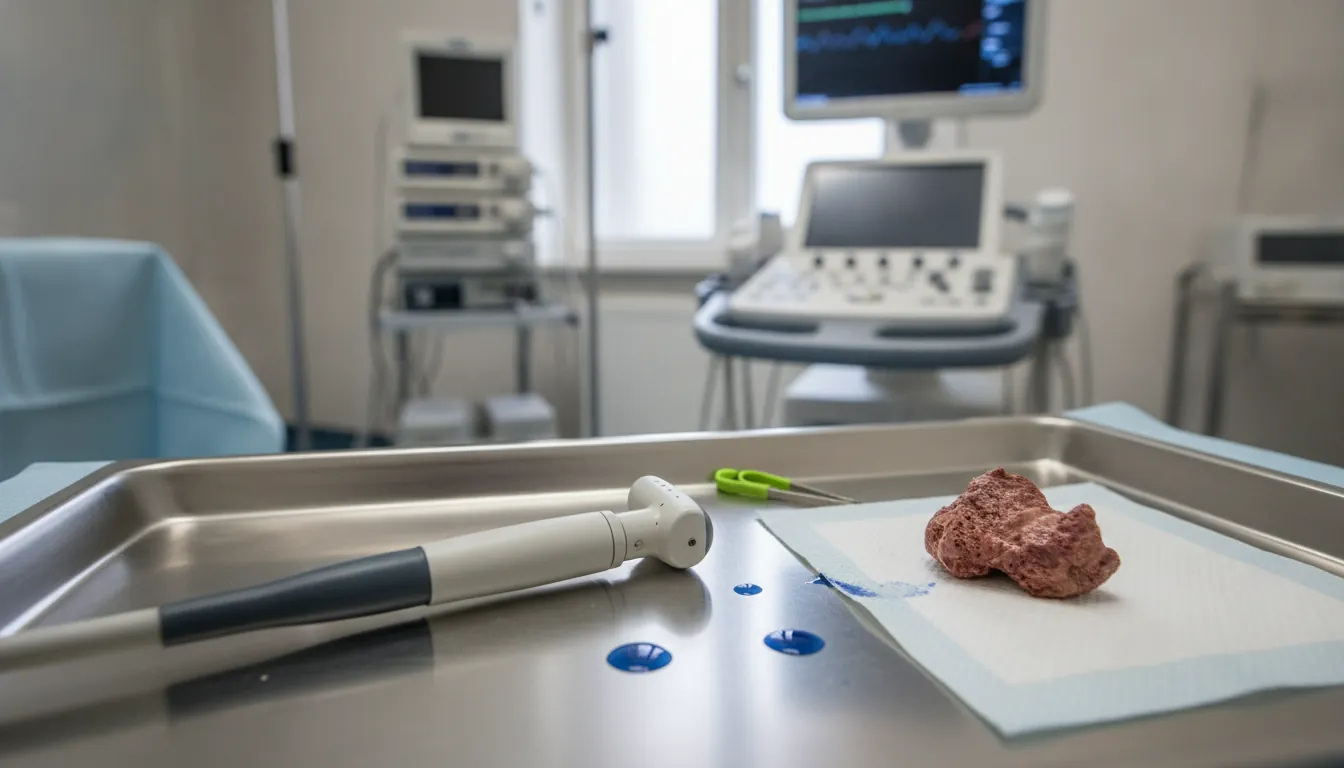
The U.S. Endobronchial Ultrasound (EBUS) biopsy market is poised for steady growth, driven by the increasing demand for minimally invasive lung diagnostics. As healthcare providers seek safer and more effective diagnostic methods, EBUS is becoming a preferred alternative to traditional surgical procedures.
According to projections, the market is expected to expand from approximately $246.82 billion in 2024 to $356.2 billion by 2033, reflecting a compound annual growth rate (CAGR) of 4.16%. This growth is largely attributed to rising incidences of lung cancer and chronic respiratory diseases, alongside technological advancements that enhance imaging capabilities and patient comfort. EBUS biopsy provides real-time imaging guidance, allowing for accurate tissue sampling with fewer complications and shorter recovery times.
As the prevalence of respiratory diseases, particularly among aging populations, increases, the demand for reliable diagnostic tools like EBUS is set to grow. The procedure is particularly significant in lung cancer management, where early diagnosis is critical for improving survival rates. EBUS enables effective evaluation of mediastinal lymph nodes and has become integral to routine diagnostic pathways as awareness of early detection rises.
Technological innovations, such as high-definition imaging and AI-assisted systems, are further enhancing the accuracy and efficiency of EBUS procedures. This shift towards minimally invasive healthcare solutions aligns with patient preferences for less painful and quicker recovery options. However, challenges remain, including high equipment costs and a shortage of skilled specialists, which could hinder broader adoption. Continued investment in research and training will be essential for overcoming these barriers and fostering market growth.