
 AI-generated from publicly available materials.
The increasing integration of AI in life sciences highlights the critical importance of semantics, as discussed by Knowledge3's Tom Plasterer and Eric Little. Their insights emphasize that while AI can offer polished answers, challenges such as hallucinations and reproducibility issues necessitate a robust semantic framework.
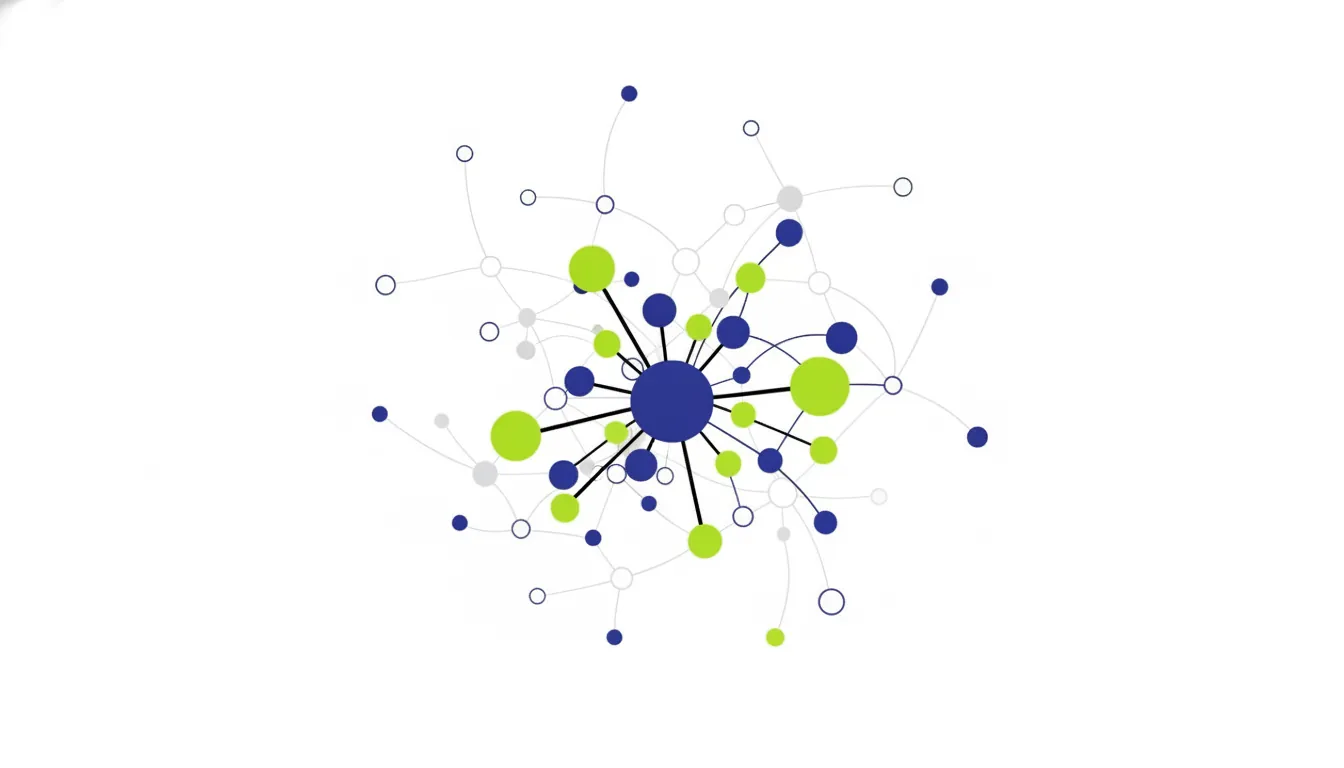
The conversation points to the necessity of knowledge graphs, ontologies, and adherence to FAIR data principles to enhance AI readiness in the sector. By ensuring that claims can be traced back to their origins and that meanings are consistently defined, organizations can elevate AI from theoretical applications to practical decision-making tools in pharmaceuticals and biotechnology. This is crucial as inaccuracies can lead to significant consequences, impacting timelines, budgets, and patient outcomes.
Plasterer and Little advocate for treating semantics as a product rather than a one-time effort. Their approach aims to bridge the gap between scientific objectives and functional systems by employing modular components and disciplined operations. This involves breaking down complex business queries into manageable parts, allowing for iterative improvements rather than relying on fragile overarching ontologies.
The concept of "semops" is introduced, which applies DevOps principles to the management of metadata and knowledge graphs. This method allows teams to version and operationalize semantics with the same rigor as software development. Layered ontology engineering is suggested as a scalable way to capture nuanced relationships in biomedicine, supporting various perspectives essential for effective analysis. Ultimately, this creates a deterministic framework that enhances AI capabilities rather than undermining them.