
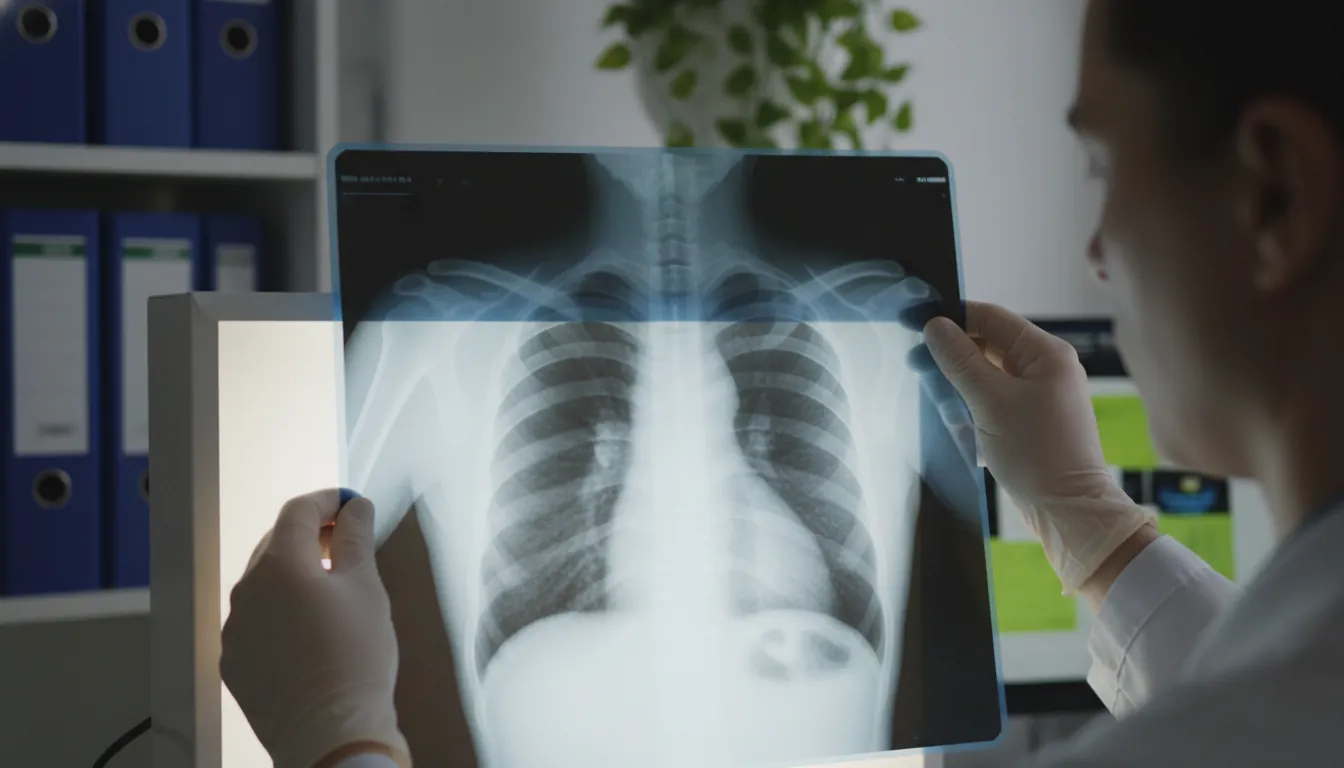
 AI-generated from publicly available materials.
The integration of Artificial Intelligence (AI) into radiology is reshaping the landscape of medical imaging in India, addressing critical challenges such as the shortage of specialists and enhancing diagnostic accuracy.
Radiologists in India have traditionally faced significant workloads, often manually interpreting various imaging modalities like X-rays and MRIs, which can lead to delays and errors. However, AI technologies are emerging as vital tools that can process medical images rapidly and accurately, thereby assisting healthcare professionals in making quicker and more informed decisions. With fewer than 10,000 radiologists serving a vast number of diagnostic centers, the demand for AI solutions is pressing.
Innovative platforms like Synapsica's Radiolens are already demonstrating the transformative potential of AI, achieving diagnostic accuracies of up to 99% and drastically reducing reporting times. The adoption of AI is not limited to urban hospitals; it is also making significant inroads in rural and tier-2 regions, where access to trained radiologists is limited. AI tools are helping local clinics generate timely and accurate reports, thereby improving healthcare access and reducing the need for patients to travel long distances for diagnosis.
Despite these advancements, the role of radiologists is evolving rather than disappearing. They are transitioning from mere image interpreters to decision-makers who leverage AI insights alongside their clinical expertise. This collaborative approach not only alleviates the burden on radiologists but also enhances job satisfaction and diagnostic confidence. However, challenges remain, such as ensuring data privacy and integrating AI into existing healthcare systems. As AI continues to develop, its responsible implementation will be crucial for maximizing benefits while maintaining the essential human element in radiology.