
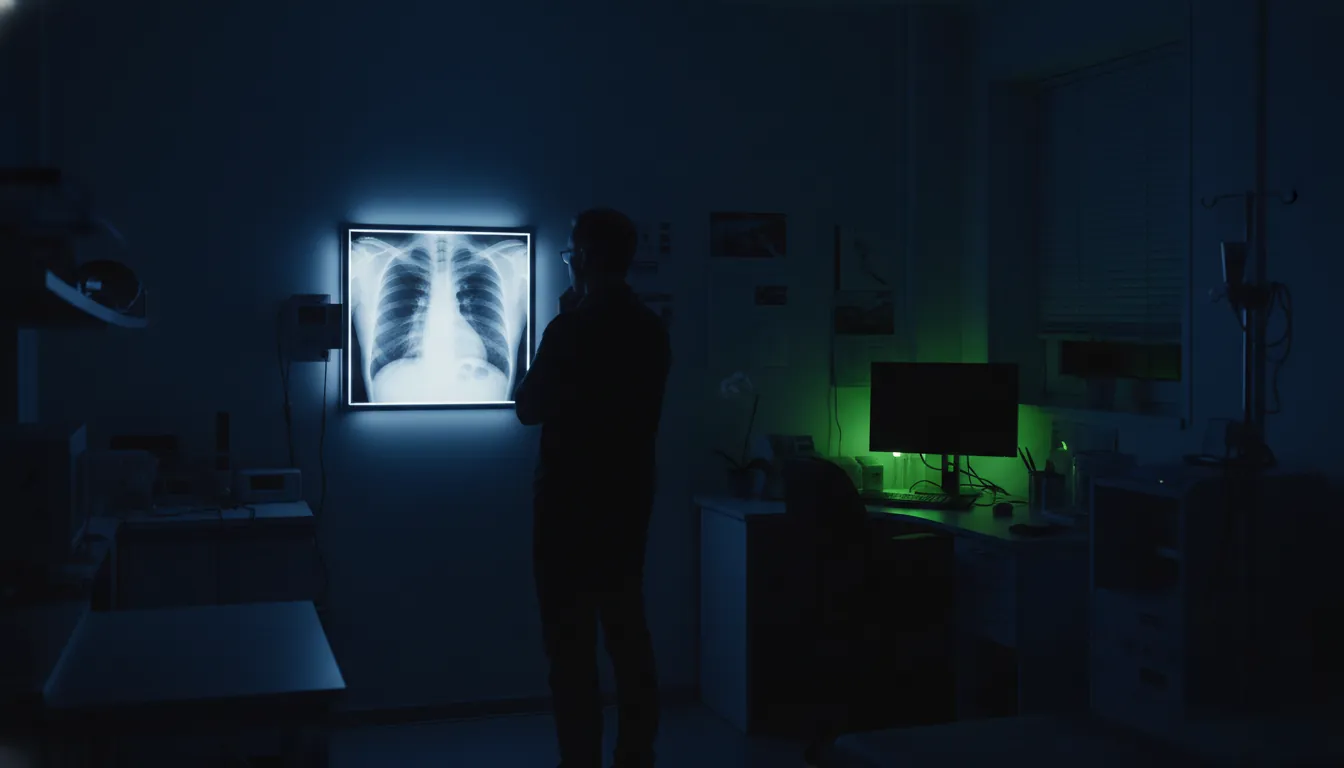
 AI-generated from publicly available materials.
The teleradiology market is experiencing significant growth, driven by advancements in remote diagnostics and artificial intelligence, transforming the landscape of medical imaging globally.
Historically, radiology relied heavily on onsite professionals to interpret medical images such as X-rays and MRIs. However, the rise of digital communication technologies has enabled healthcare providers to transmit these images securely across vast distances, facilitating remote interpretation by expert radiologists. This shift has led to the rapid expansion of the teleradiology sector, which is projected to grow from approximately $9.53 billion in 2025 to $30.31 billion by 2034, reflecting a compound annual growth rate of 13.72% between 2026 and 2034.
A key driver of this growth is the increasing demand for continuous radiology support, particularly in emergency settings where timely interpretations can significantly impact patient outcomes. Teleradiology addresses the challenge of providing 24/7 coverage, especially in rural and underserved areas where access to specialists is limited. Additionally, the ongoing shortage of qualified radiologists has made teleradiology an essential solution for distributing workloads and enhancing operational efficiency.
Technological advancements, particularly in cloud computing, are also reshaping the workflows within radiology. The integration of cloud-based systems allows for efficient image storage and collaboration among healthcare providers, while artificial intelligence tools are aiding radiologists by streamlining processes and enhancing diagnostic accuracy. As investment in teleradiology continues to rise, the market is poised for further innovation and expansion, reflecting strong confidence in its potential to improve healthcare delivery.