
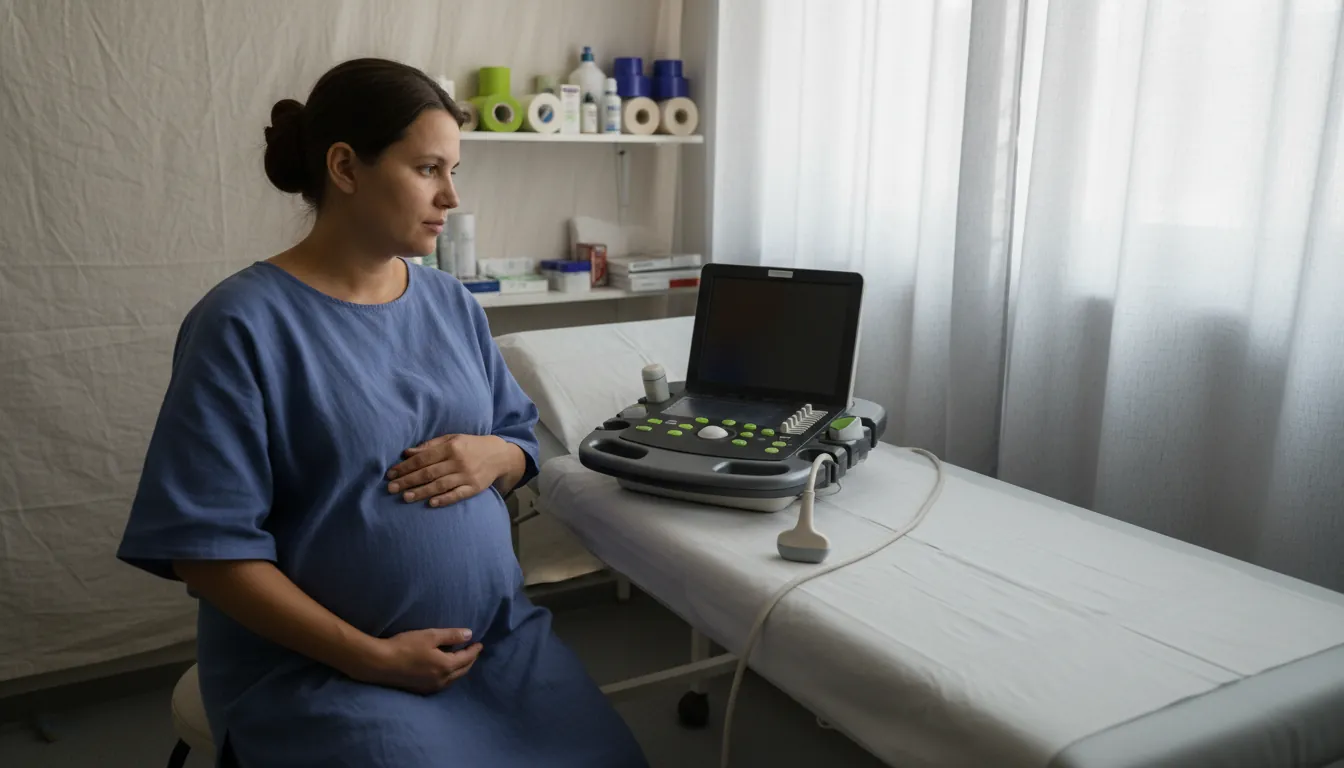
 AI-generated from publicly available materials.
Qure.ai has announced a collaboration with the Translational Health Science and Technology Institute (THSTI) to enhance maternal healthcare through AI-enabled ultrasound technology, focusing specifically on preterm birth risk detection.
This partnership is part of the GARBH-INi-AnandiMaa initiative, which aims to improve preterm birth outcomes in India, a country that faces significant challenges related to neonatal mortality and long-term health issues stemming from preterm births. The initiative, spearheaded by India’s Department of Biotechnology, emphasizes localized research tailored to the needs of the Indian population.
The GARBH-INi program has already enrolled 12,000 pregnant women and collected over one million ultrasound images to analyze risk factors associated with preterm births. Qure.ai's contribution will involve developing AI tools that automate ultrasound reporting and facilitate risk stratification, allowing clinicians to identify high-risk pregnancies sooner and generate actionable risk scores.
By utilizing data specific to Indian demographics, the collaboration aims to enhance the clinical relevance of these predictive models. Furthermore, it seeks to bridge gaps in access to specialized diagnostic capabilities, particularly in underserved areas where advanced healthcare services are scarce. This strategic integration of AI into ultrasound workflows is anticipated to improve the efficiency and accuracy of imaging data interpretation, ultimately benefiting maternal health outcomes.
This partnership not only represents a significant step toward addressing preterm birth risks in India but also showcases the potential of AI to transform maternal healthcare by providing data-driven, accessible solutions tailored to local contexts.