
 AI-generated from publicly available materials.
Philips is advancing AI-driven diagnostic solutions in Spain, urging hospitals to adapt in the face of increasing patient demands.
Miguel de Foronda, head of Philips Ibérica, emphasized the urgency for Spanish hospitals to embrace technological innovation to avoid falling behind as patient numbers rise and resources become constrained. He described the current moment as pivotal, where adopting scalable technology is essential for survival in the healthcare sector.
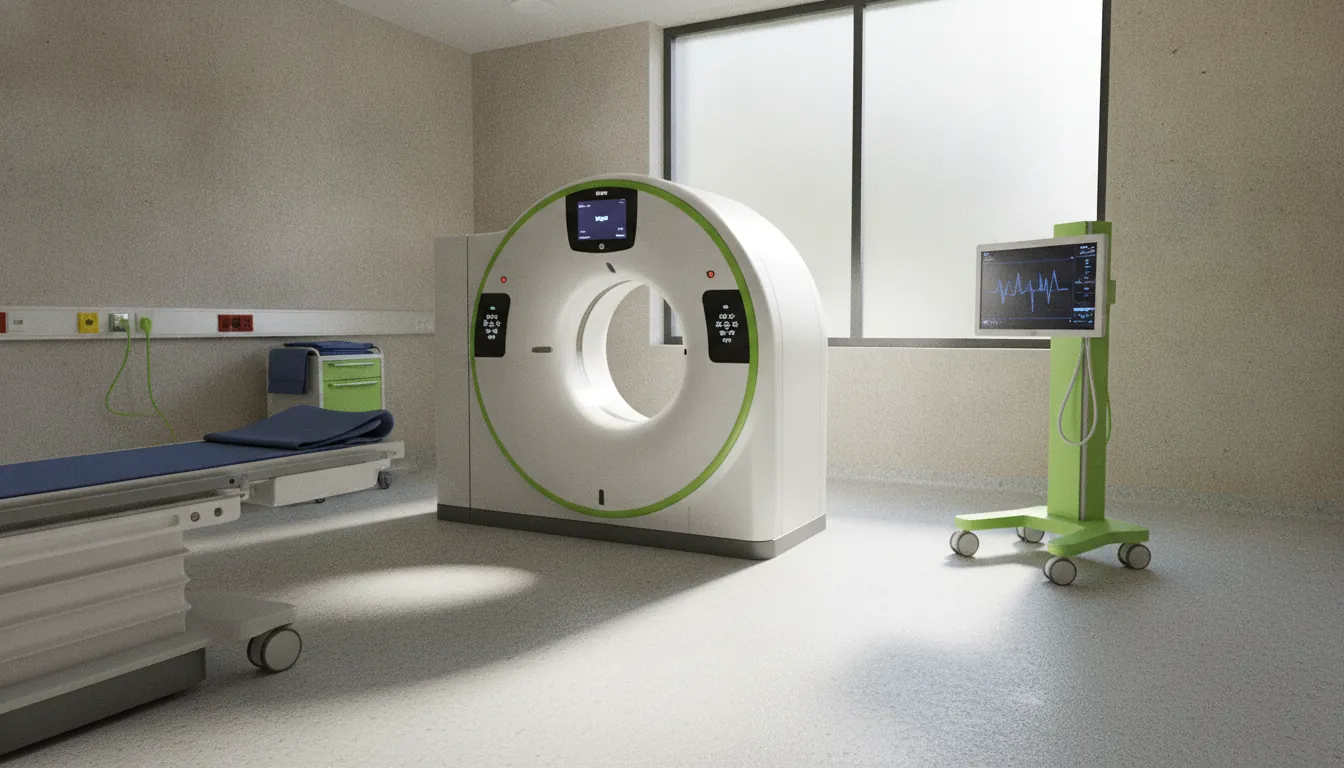
Philips has already made strides in this area, introducing Spain's first Verida spectral CT scanner, which enhances imaging quality and accelerates diagnostic processes. This technology reduces the need for repeat tests, thereby improving patient outcomes. Additionally, the integration of tools like Areta for radiotherapy planning and Verida RT for combined imaging and therapy signifies a shift towards more efficient care delivery.
Foronda highlighted the transformative potential of AI in medical interventions, citing innovations such as SmartIQ and LumiGuide Force, which improve procedural accuracy and efficiency. He noted that the focus has shifted from merely supporting healthcare professionals to creating scalable solutions that genuinely enhance diagnostic capabilities. The emphasis on high-quality data integration into clinical workflows is crucial for improving both care quality and operational efficiency.
As Spain's healthcare system faces mounting pressure to modernize, Foronda's call to action for government leaders to prioritize technology is clear. He argues that sustainable improvements in health outcomes depend on the strategic adoption of robust, data-driven solutions. The message is straightforward: without a commitment to innovation, Spain risks stagnation in its healthcare advancements.