
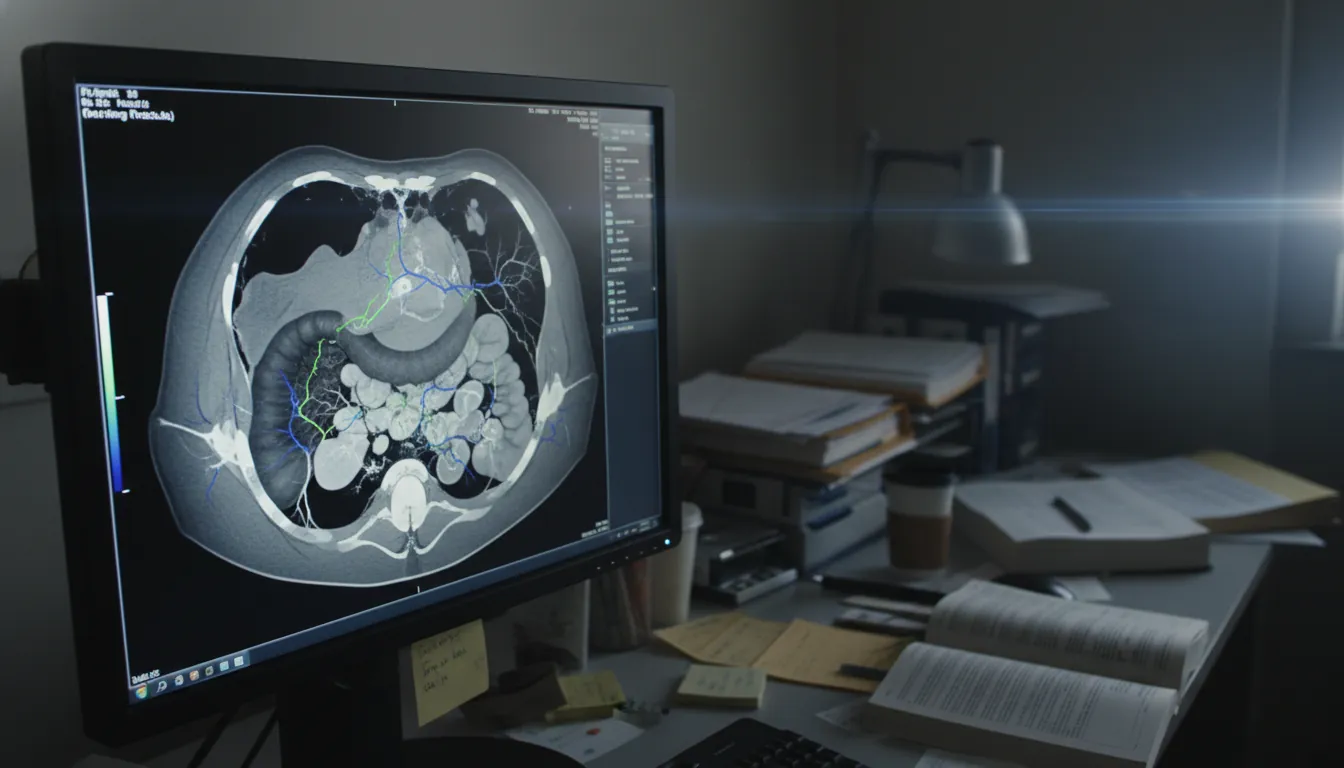
 AI-generated from publicly available materials.
Mayo Clinic's innovative AI model has demonstrated the ability to detect pancreatic cancer much earlier than traditional diagnostic methods, potentially transforming patient care.
The Mayo Clinic has developed an AI system, REDMOD, capable of identifying early signs of pancreatic cancer in standard CT scans, often months or even years before a clinical diagnosis is made. This advancement was highlighted in a study published in the journal Gut, which analyzed nearly 2,000 abdominal CT scans that were initially deemed normal. Remarkably, the AI detected 73% of cancers in these scans, identifying them an average of 16 months prior to diagnosis—effectively doubling the detection rate compared to human specialists without AI assistance.
What sets REDMOD apart is its use of radiomics, which allows it to analyze hundreds of quantitative features related to the texture and structure of tissues. This enables the AI to recognize subtle biological changes in the pancreas that may not be visible to the human eye. Furthermore, REDMOD operates automatically, integrating seamlessly into existing clinical workflows without the need for additional imaging or manual intervention.
The implications of this technology are significant, particularly in the context of early intervention for pancreatic cancer, which is often diagnosed at a late stage. Researchers are further validating the system through the AI-PACED study, focusing on high-risk patients, including those with new-onset diabetes. This initiative is part of Mayo Clinic's broader Precure program, aimed at detecting diseases in their earliest stages. As this research progresses, it may pave the way for a paradigm shift in cancer detection and treatment, emphasizing the critical role of AI in enhancing early diagnosis.