
 AI-generated from publicly available materials.
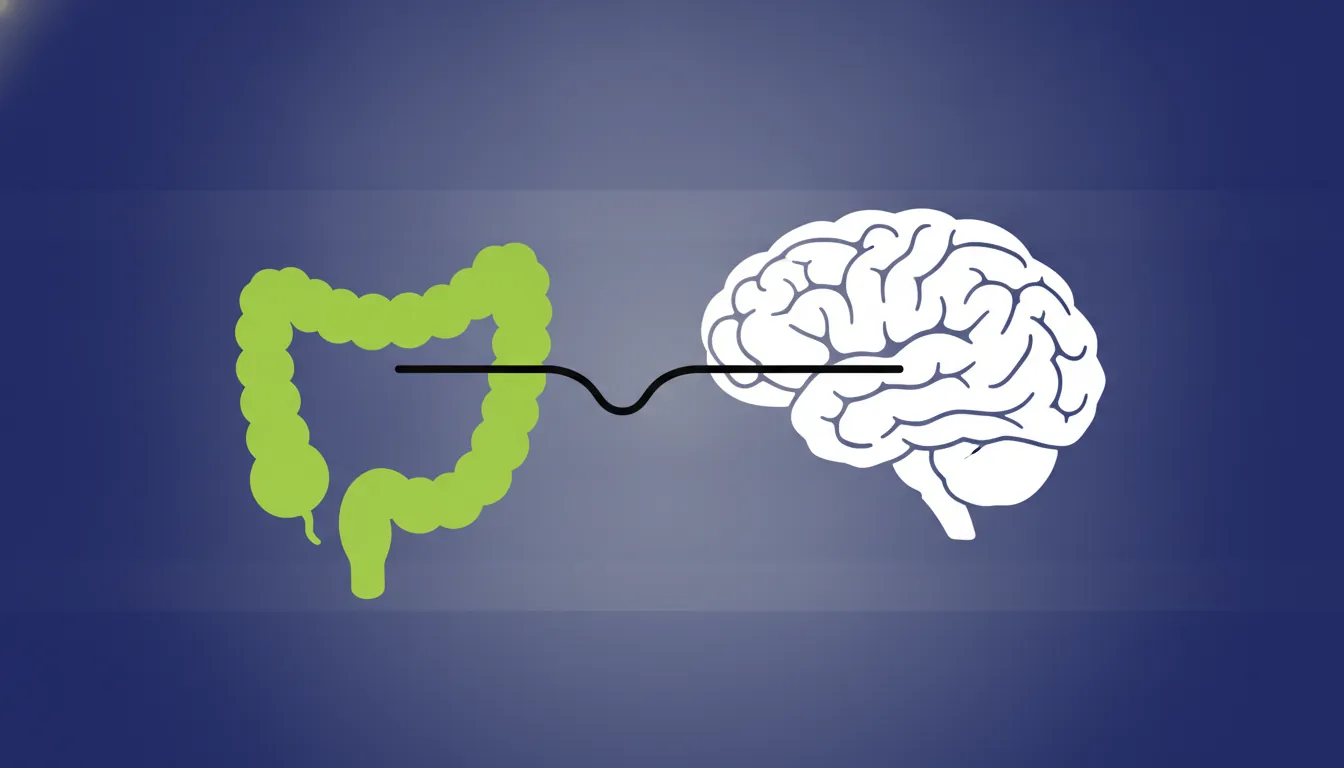
A research team at Lehigh University has created an advanced mathematical model, or "digital twin," of the gut-brain axis, which simulates the neural connections that regulate stomach function. This innovative approach, detailed in *Frontiers in Physiology*, aims to enhance understanding of gut-brain interactions and expedite the development of neuromodulation therapies like vagus nerve stimulation.
The gut-brain axis plays a crucial role in linking the central autonomic system to digestive processes. Disruptions in this signaling pathway can lead to chronic conditions such as irritable bowel syndrome and functional dyspepsia. According to co-author Mayuresh Kothare, this model represents a significant advancement in quantitatively understanding the communication loop between the gut and brain, which has previously lacked a systematic representation.
As the vagus nerve is a key conduit for communication between these systems, it has been identified as a target for neural stimulation therapies. The digital twin helps researchers analyze the effects of disrupted signaling and aims to facilitate the development of more effective treatment options. Lead author Shannon Fernandes emphasizes that this model serves as a virtual representation of gastric function, providing insights into potential therapeutic interventions.
From a commercial standpoint, this model could serve as a valuable preclinical tool for companies developing closed-loop neuromodulation systems. By utilizing a validated computational framework, developers can optimize stimulation parameters and predict physiological responses, potentially streamlining the development process. As the field of bioelectronic medicine evolves, integrating computational models with neural interface design may become essential for advancing personalized treatment strategies in gastrointestinal disorders.