
 AI-generated from publicly available materials.
At the Fraunhofer Institute for Translational Medicine and Pharmacology (ITMP), researchers are pioneering the integration of academic research and industrial applications in drug discovery. Their focus is on developing proximity-inducing drugs, which differ from traditional small molecules by modulating protein interactions rather than merely inhibiting protein functions.
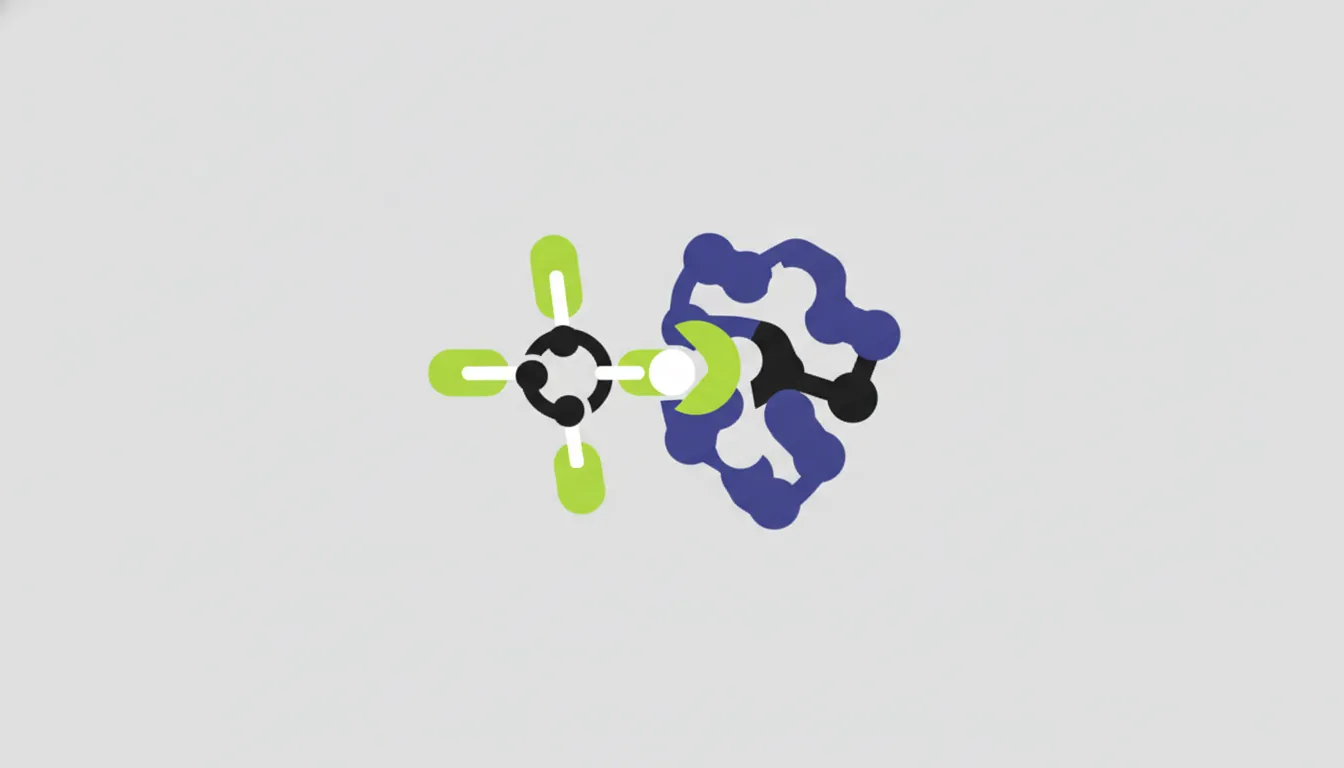
Proximity-inducing drugs, or proxy drugs, operate by binding to a target protein and recruiting another protein via mechanisms like forming ternary complexes. This innovative approach allows for the degradation of target proteins, potentially addressing previously considered "undruggable" targets such as transcription factors. The ability to modulate cellular pathways rather than just inhibit functions opens new avenues in drug development.
However, challenges remain, particularly concerning the size and bioavailability of these bifunctional drugs. The complexity of their structure can hinder their effectiveness, especially for oral delivery and targeting specific areas like the brain. Additionally, achieving cooperative binding within ternary complexes is not yet fully understood, necessitating further research to establish clear principles for their development.
Collaboration between academia, industry, and biotech sectors is crucial to overcoming these hurdles. The interdisciplinary nature of this research fosters innovation and brings together diverse expertise aimed at improving patient outcomes. As the field progresses, the focus on cooperative binding and operational structures will be vital in advancing the efficacy of proximity-inducing drugs.