
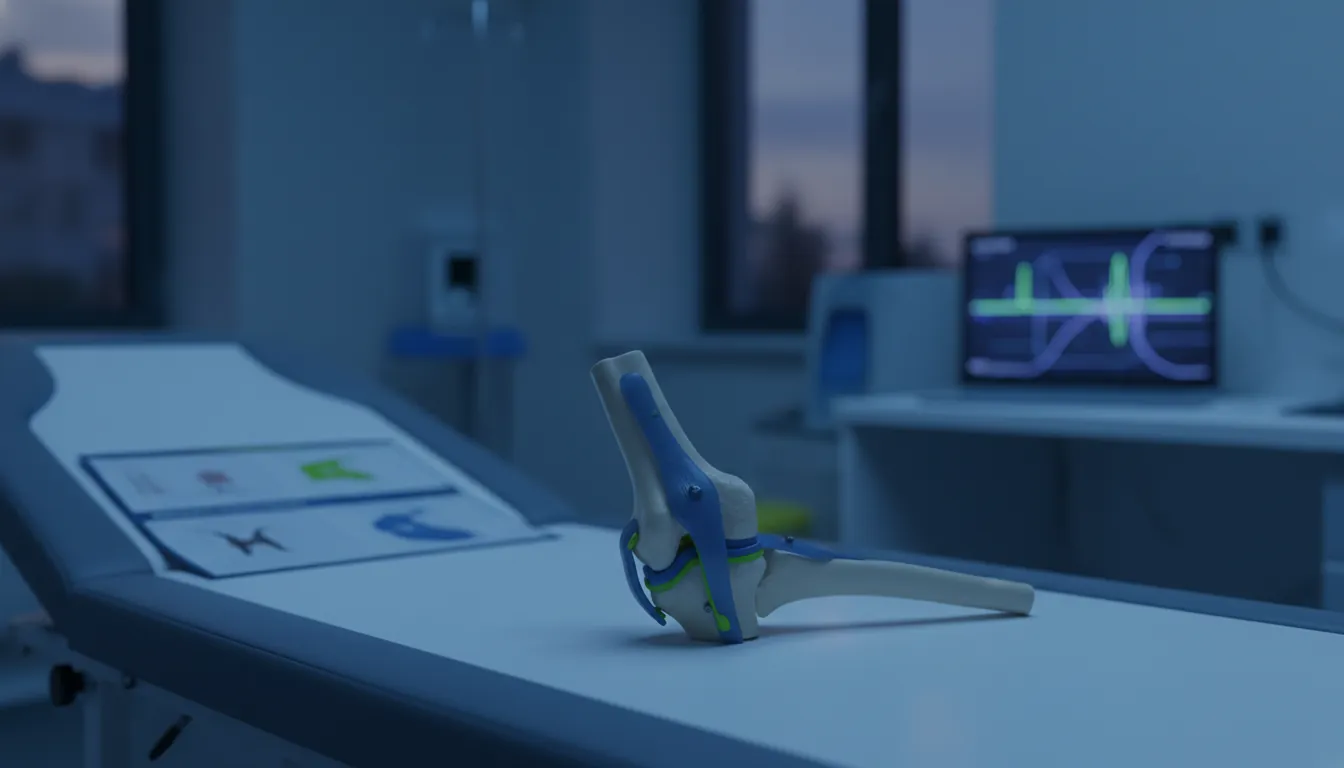
 AI-generated from publicly available materials.
GC Biopharma is embarking on an innovative project aimed at developing an AI-driven clinical decision support system (CDSS) to predict joint damage in hemophilia patients, marking a significant advancement in personalized healthcare for this population.
The initiative, part of the Ministry of Health and Welfare’s “Advanced Bio Convergence Talent Development Project,” involves collaboration with key institutions including the Korea Hemophilia Foundation and Seoul National University College of Pharmacy. Hemophilic arthropathy, a condition affecting around 70% of severe hemophilia patients in Korea, results from recurrent joint bleeding, leading to chronic pain and mobility issues. Despite the prevalence of this condition, effective predictive models for long-term joint damage have been scarce.
Utilizing 30 years of real-world data and approximately 3,000 X-ray images, GC Biopharma plans to harness AI and machine learning to create a predictive model. This model will assess various clinical factors, such as patient age and treatment history, to forecast the progression of joint deterioration. Additionally, an AI-powered imaging tool will aid clinicians in diagnosing hemophilic arthropathy through advanced analysis of X-ray images.
With the CDSS, healthcare providers will gain the capability to project patients' joint health outcomes over a span of 5 to 20 years, potentially transforming treatment approaches by facilitating early interventions. GC Biopharma anticipates completing the predictive model by the end of this year, followed by the development of the imaging technology and CDSS prototype, with a full system rollout expected by 2028. This initiative not only aims to improve patient outcomes but also seeks to alleviate the burden of surgeries and hospitalizations associated with joint complications.
As noted by Choi Bong-gyu, director of GC Biopharma's AI & Data Science division, the integration of AI technology is poised to revolutionize how joint damage is predicted and managed in hemophilia patients, ultimately enhancing their quality of life.