
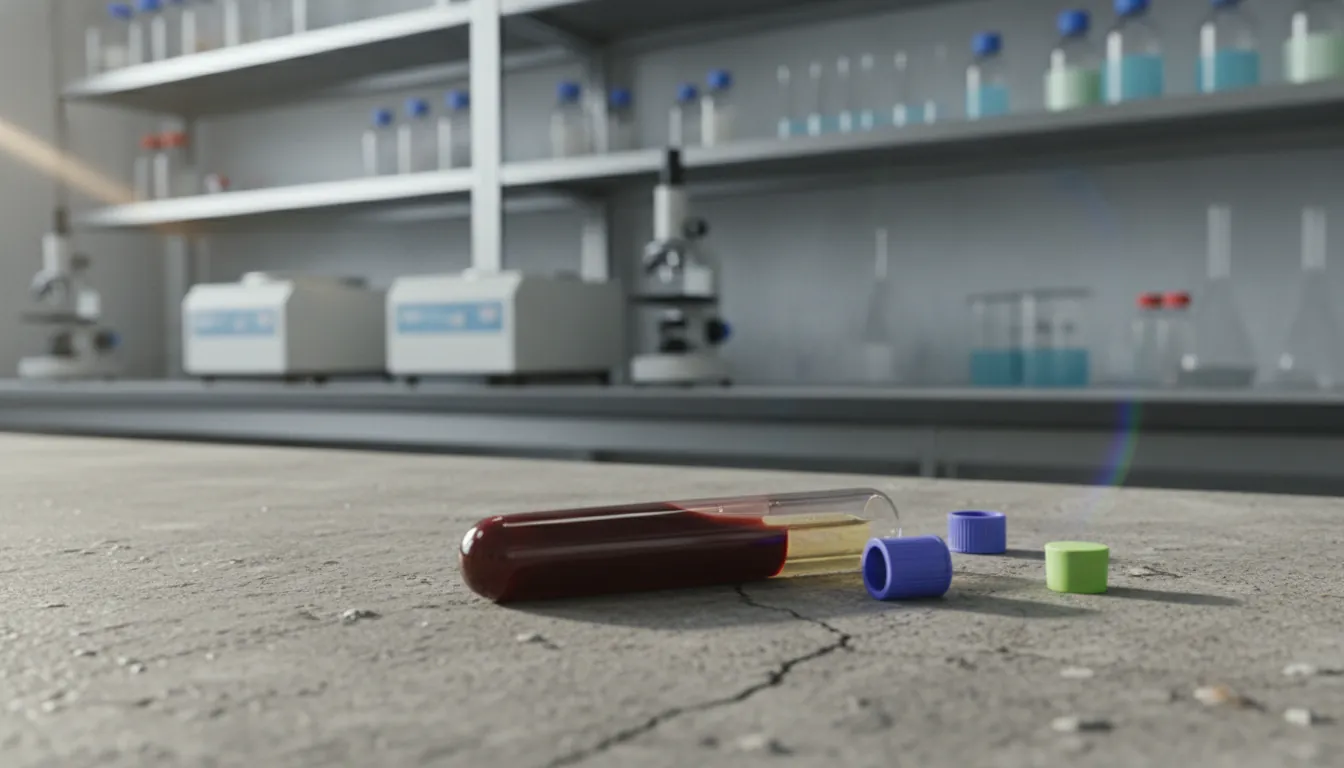
The European In-Vitro Diagnostics (IVD) market is projected to reach USD 34.47 billion by 2033, driven by an aging population and advancements in diagnostic technologies.
The IVD sector encompasses tests conducted on biological samples to diagnose diseases and monitor health conditions. This market is notably advanced in Europe, where countries like Germany, France, and the UK lead due to robust healthcare systems and a focus on early disease detection. The growing emphasis on personalized medicine and point-of-care diagnostics is reshaping how testing is administered across various healthcare settings.
A key factor contributing to market growth is the demographic shift towards an older population, which is particularly susceptible to chronic diseases requiring regular monitoring. Eurostat projects that the percentage of individuals aged 65 and older in the EU will rise from 21.1% in 2022 to 32.5% by 2100. This trend is prompting healthcare systems to prioritize preventive care and routine screenings, enhancing the demand for advanced diagnostic solutions.
Technological innovations are also playing a crucial role in transforming the IVD landscape. Automation, artificial intelligence, and next-generation sequencing are enhancing diagnostic accuracy and efficiency. For instance, the recent launch of the MONKEYPOX R-GENE PCR kit exemplifies the focus on infectious disease preparedness. However, regulatory hurdles remain a challenge, as the implementation of the EU’s In Vitro Diagnostic Regulation (IVDR) has increased compliance demands, particularly affecting smaller manufacturers.
Overall, while the European IVD market is poised for significant growth, ongoing regulatory complexities and reimbursement challenges may impact the speed of innovation and adoption. The future of this market will likely hinge on balancing technological advancements with effective regulatory frameworks to ensure patient safety and accessibility.