
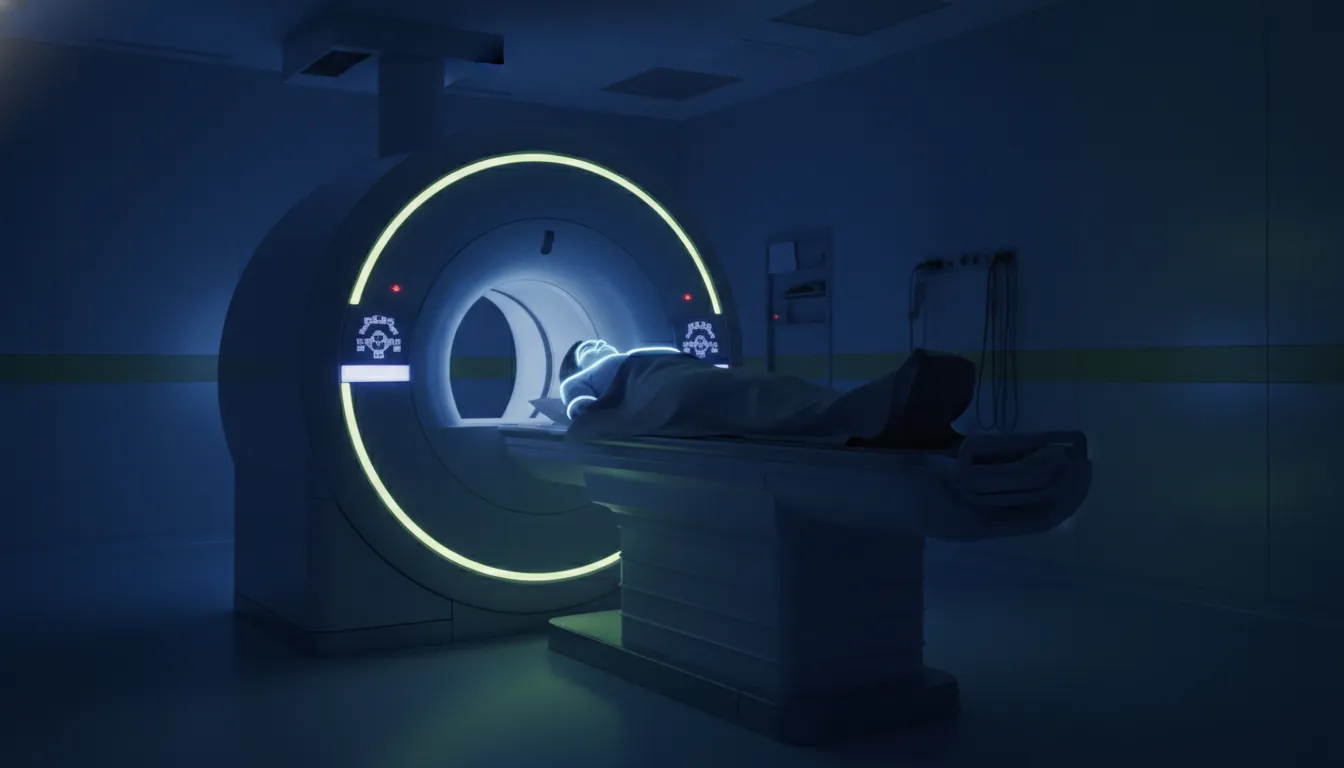
 AI-generated from publicly available materials.
The diagnostic imaging market is on track to reach approximately US$68.81 billion by 2034, driven by advancements in AI and increasing healthcare demands.
As chronic illnesses rise and the emphasis on preventive care intensifies, diagnostic imaging has become crucial in clinical decision-making. Various imaging technologies, such as X-rays, MRIs, and CT scans, enable healthcare professionals to accurately visualize internal structures, facilitating early disease detection and better patient outcomes. The integration of artificial intelligence (AI) is enhancing these capabilities, allowing for faster and more precise diagnoses.
According to recent forecasts, the global diagnostic imaging market is expected to grow from US$41.32 billion in 2025 to US$68.81 billion by 2034, reflecting a compound annual growth rate (CAGR) of 5.83%. This growth is attributed to an increasing demand for early disease detection, a rise in chronic diseases, and substantial investments in healthcare infrastructure. As healthcare systems modernize, particularly in emerging markets, the need for advanced imaging services is becoming more pronounced.
AI is revolutionizing the field by improving diagnostic accuracy and workflow efficiency. AI algorithms assist radiologists in identifying abnormalities quickly, reducing human error and enhancing clinical outcomes. Furthermore, these technologies help streamline operational processes in radiology departments, allowing healthcare providers to manage growing workloads effectively. This synergy between AI and imaging technologies is expected to play a pivotal role in shaping the future of healthcare diagnostics.
The ongoing investments in modern imaging facilities that incorporate AI are set to further accelerate the adoption of these technologies. As healthcare organizations focus on improving patient care and diagnostic precision, the integration of advanced imaging systems will be essential for addressing the evolving challenges in healthcare delivery.