
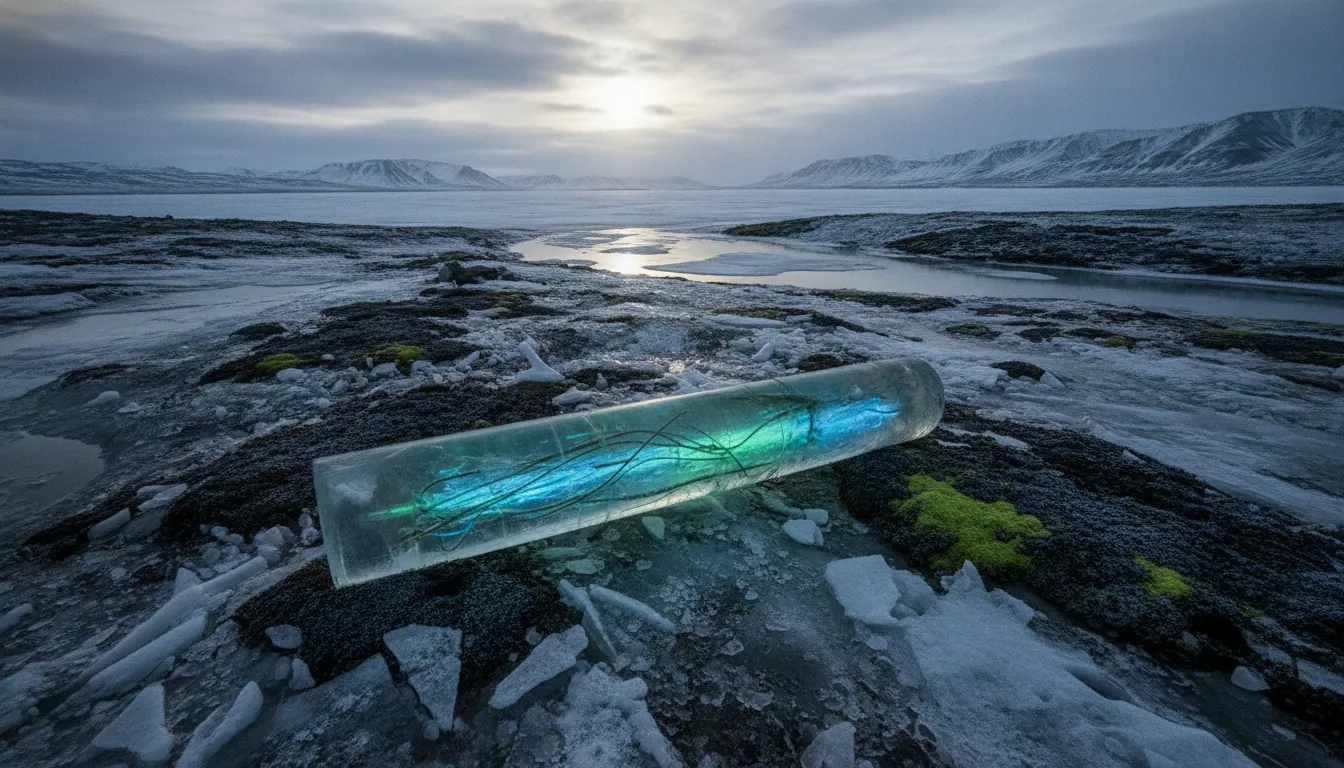
 AI-generated from publicly available materials.
Exploration of Canada’s Arctic permafrost may unveil new therapeutic compounds, but ethical considerations loom large.
Canadian scientists are investigating the Arctic tundra's permafrost, which holds ancient DNA and potentially valuable microorganisms for drug development. Utilizing advanced genomic techniques, researchers aim to uncover biosynthetic gene clusters that could lead to innovative antibiotics and other therapeutics. The historical significance of these organisms, some preserved for thousands of years, presents a unique opportunity for bioprospecting in a landscape where conventional lab methods have failed to cultivate most environmental microbes.
Despite the excitement surrounding potential discoveries, researchers like Justin Nodwell caution that the journey from identifying these gene clusters to producing viable medicinal products is fraught with challenges. The complexity of biosynthetic pathways and the significant costs associated with synthetic biology pose hurdles. Moreover, while the Arctic may yield novel compounds, there is also a risk of rediscovering known substances, complicating the quest for truly innovative therapies.
Ethically, the research raises critical questions about biopiracy and the rights of Indigenous populations living in the Arctic. Without protective frameworks like the UN Nagoya Protocol, there are concerns that valuable genetic resources could be exploited without fair compensation or acknowledgment of Indigenous knowledge. This highlights the need for a balanced approach that respects both scientific exploration and the rights of local communities.
As the quest for new therapeutics continues, Canadian researchers must navigate these ethical landscapes carefully, ensuring that their work benefits not only the scientific community but also the Indigenous peoples whose heritage is intertwined with the land they study.