
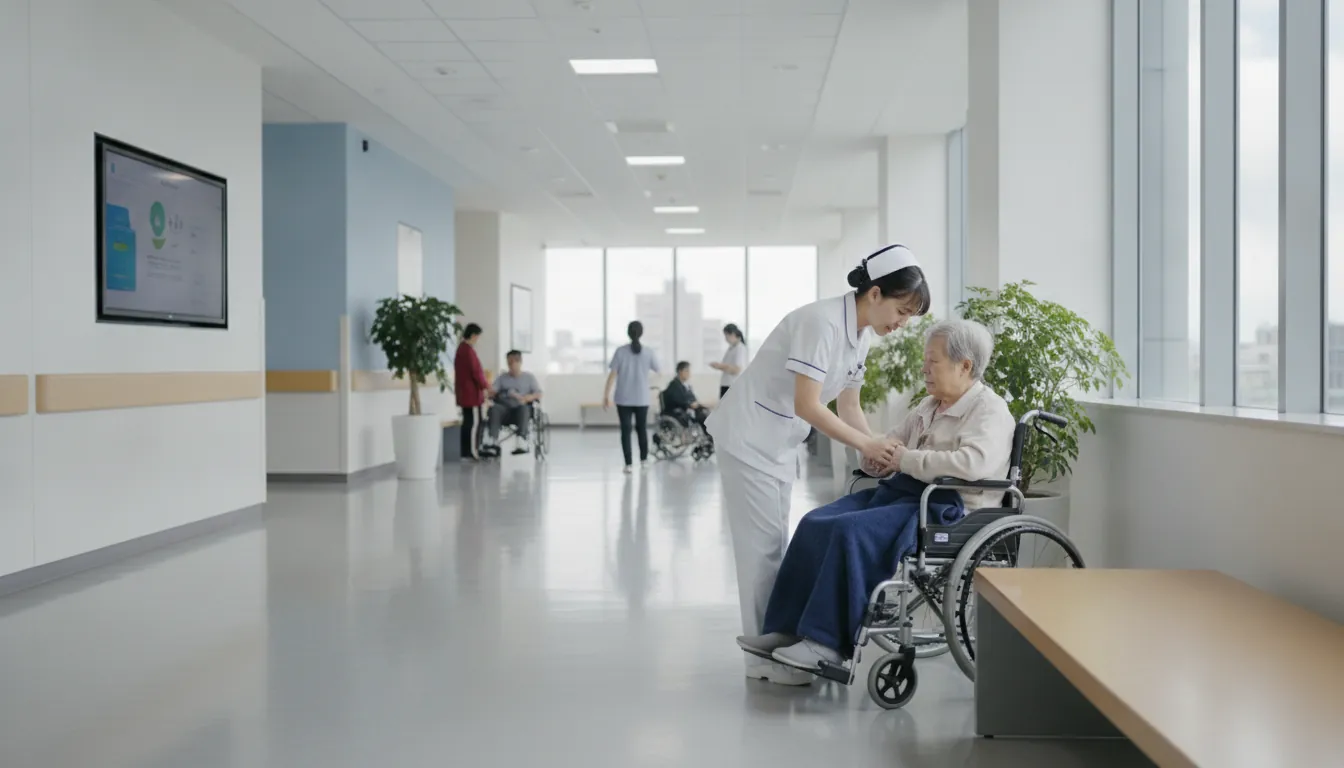
 AI-generated from publicly available materials.
Integrating AI into clinical workflows presents a significant opportunity for hospitals to enhance patient care, but it requires more than just effective algorithms.
Hospitals face various challenges when transitioning clinical AI from pilot projects to everyday practice, including the need for seamless workflow integration, dependable data management, and robust governance structures. At Chi Mei Medical Center in Taiwan, the deployment of AI technologies is contingent upon their ability to tackle critical healthcare issues. The facility employs a workflow-first strategy through its A+ ecosystem, which embeds AI tools directly into clinicians' routines, thereby reducing the need for switching between different systems. This approach has led to a reported 50% reduction in documentation time and improved consistency in information, allowing healthcare professionals to focus more on patient interactions and clinical decisions.
In a recent HIMSSCast episode, Dr. Hsieh Meng-Tsang, director of Chi Mei's Stroke Center, elaborated on the hospital's comprehensive three-phase AI implementation journey. He highlighted the institution's goal of creating a continuously learning health system and emphasized the importance of governance and human oversight as AI technologies are increasingly adopted in healthcare settings.
This case exemplifies the critical factors that hospitals must address to successfully integrate AI into their operations. As healthcare organizations seek to enhance their services through technology, understanding the nuances of implementation and the ongoing need for oversight will be pivotal for sustainable AI adoption.