
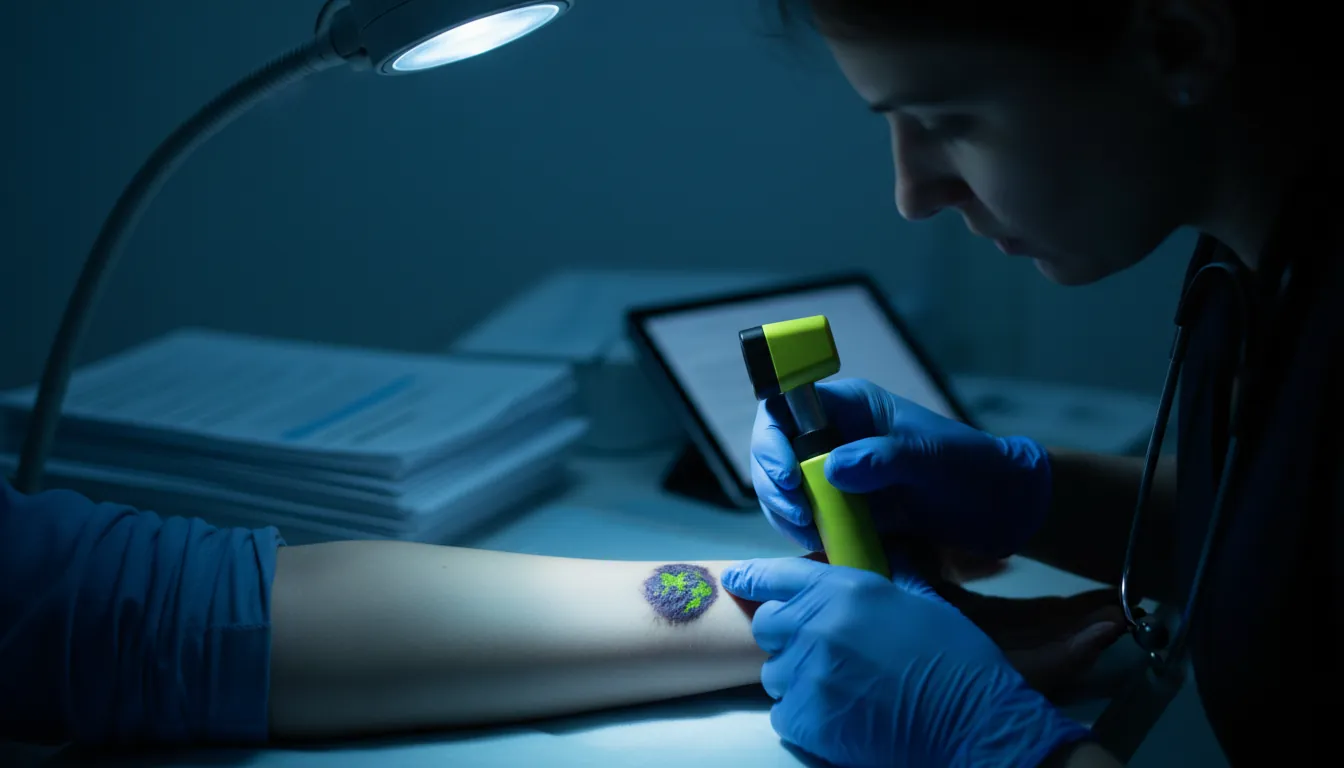
 AI-generated from publicly available materials.
Bradford Teaching Hospitals NHS Foundation Trust has implemented AI technology to enhance the early detection of skin cancer, aiming to streamline patient care and reduce waiting times.
On April 30, 2026, St Luke’s Hospital began utilizing the Deep Ensemble for Recognition of Malignancy (DERM) technology, developed by Skin Analytics. This AI-driven software analyzes skin lesion images to identify potentially cancerous cases swiftly, allowing healthcare professionals to prioritize urgent cases while redirecting benign ones to non-urgent pathways. This innovation is expected to significantly improve the efficiency of the triage process for the approximately 5,000 skin cancer referrals the trust receives annually.
Zakir Shariff, a consultant plastic surgeon at the trust, emphasized the potential of DERM technology to expedite diagnosis, stating that it could help identify serious skin lesions much faster than traditional methods. The AI's high accuracy rate of 99.7% in ruling out skin cancers further supports its effectiveness, promising quicker diagnoses and minimizing patient anxiety associated with long wait times.
As the program expands, there are plans to extend this service into community settings, potentially allowing patients to receive care closer to home. This shift could alleviate the pressure on hospital dermatology services, enabling healthcare providers to focus on the most critical cases. Overall, the adoption of AI in skin cancer detection at Bradford Teaching Hospitals represents a significant advancement in patient care and operational efficiency in the life sciences sector.