
 AI-generated from publicly available materials.
The landscape of AI in drug development is evolving, shifting focus from merely identifying potential candidates to rigorously validating their effectiveness in the lab.
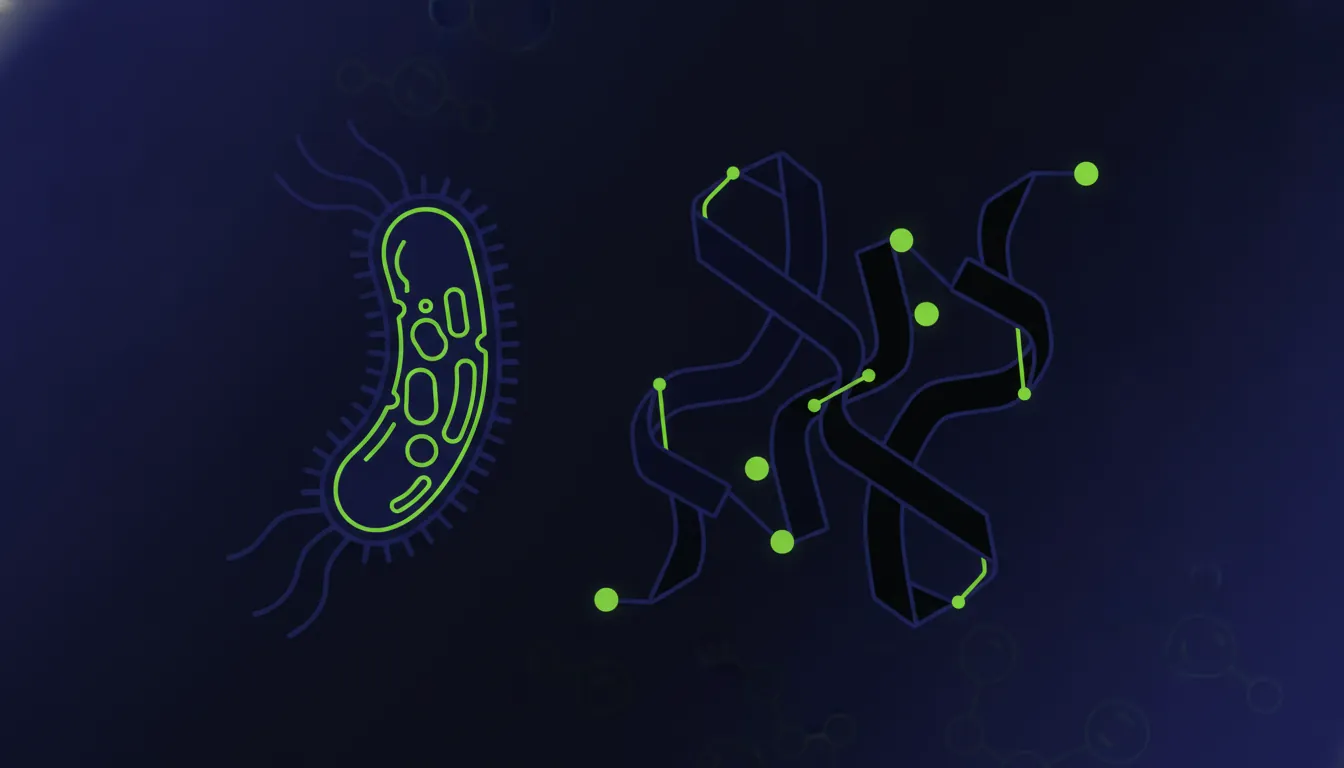
Recent advancements in AI technology are enabling researchers to not only screen vast libraries of compounds but also to form strategic partnerships with pharmaceutical companies. For instance, Novorex is actively testing AI-selected drug candidates, utilizing organisms like E. coli to evaluate whether these compounds effectively bind to disease-related proteins. This validation step is crucial, as high-purity proteins are necessary to confirm the drug's intended action. The transition from candidate identification to laboratory validation marks a significant milestone in the drug development process.
The financial landscape reflects this shift, with partnerships between AI firms and pharmaceutical companies reaching an estimated value of nearly 63 trillion won ($46.4 billion) in the first half of the year. Notably, Novorex's Parkinson’s disease candidate was identified in just 18 months, showcasing the efficiency of AI in drug discovery compared to traditional methods. Other companies, like Portrai, are also leveraging AI to identify drug targets, emphasizing the importance of validation against patient data to ensure real-world applicability.
This growing emphasis on validation is reshaping the drug development pipeline, as evidenced by the rise in AI-related R&D partnerships, which totaled 70 in the first half of the year. Despite a decline in upfront payments for these deals, industry experts believe that improved AI capabilities will ultimately enhance the likelihood of successful drug development, leading to increased investment in the future. As AI continues to integrate more deeply into the pharmaceutical landscape, the potential for transformative breakthroughs in drug development becomes increasingly tangible.